

The Truth About Emergency HVAC Repairs: Costs, Risks & How to Cut Them Down
Nothing ruins your day quite like getting a call that your commercial HVAC system has completely failed. One minute everything's running smoothly, and the next, you're facing uncomfortable tenants, potential property damage, and a hefty repair bill that can easily reach into the thousands.
If you're a property manager or business owner in South Jersey, you've probably wondered why emergency HVAC repairs cost so much more than regular maintenance calls. The truth is, emergency repairs typically cost between $600 and $1,100 compared to routine repairs that range from $300 to $550. But understanding why these costs escalate: and more importantly, how to avoid them: can save your business significant money and headaches.
At South Jersey Heating and Cooling, we've seen firsthand how emergency situations unfold, and we're here to give you the straight facts about what drives these costs and what you can do to minimize them.
Why Emergency HVAC Repairs Hit Your Budget So Hard
Emergency HVAC repairs aren't just expensive because of the actual repair work: several factors combine to create those eye-watering bills that show up when you can least afford them.
After-Hours Premium Charges
Most HVAC emergencies happen at the worst possible times. Your system doesn't care that it's 2 AM on a Saturday or that it's Thanksgiving weekend. When your heating fails during a January cold snap or your cooling system quits during a July heat wave, you need immediate help.
HVAC companies charge substantial after-hours fees because they need to compensate technicians for working outside normal business hours. This isn't just a convenience fee: it reflects the real cost of maintaining 24/7 availability and the premium required to get skilled professionals to respond immediately to your crisis.
Urgency Creates Cost Multipliers
When you call for emergency service, your repair gets bumped ahead of scheduled maintenance calls. This prioritization requires companies to completely reorganize their day, redirect resources, and often pay overtime to multiple team members. The logistical complexity of emergency response: from dispatching the right technician with the proper equipment to coordinating with parts suppliers: all contributes to higher costs.
Parts and Labor Complications
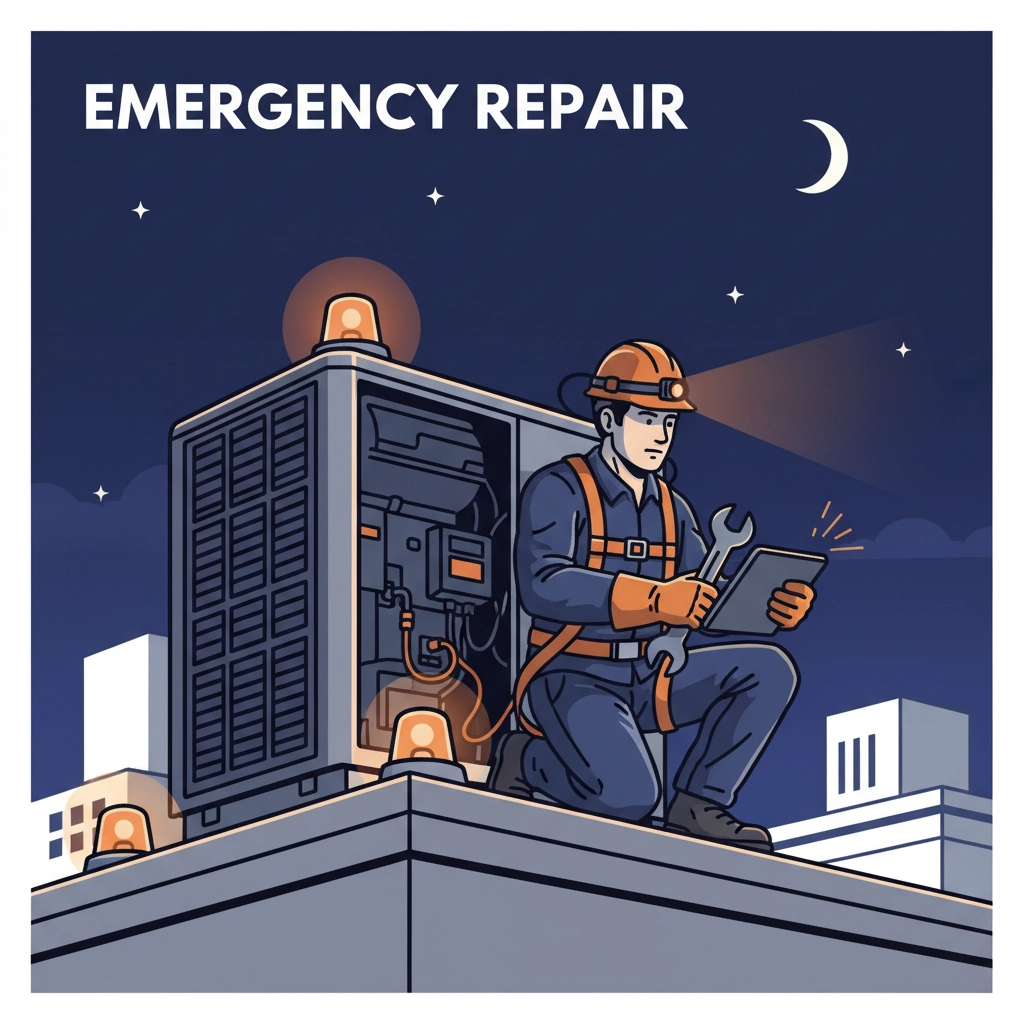
Critical HVAC components like compressors, motors, and control systems can cost anywhere from $400 to $1,200 each during regular business hours. When these parts need to be sourced immediately, they must come from emergency suppliers who charge premium rates. Additionally, emergency repairs often require advanced troubleshooting skills and extended work hours, driving up labor costs significantly.
The complexity increases when multiple systems are affected or when temporary solutions are needed to maintain livable conditions while permanent repairs are completed.
The Real Cost Spectrum You're Facing
Understanding the full range of emergency repair costs helps you budget appropriately and make informed decisions during a crisis.
Basic Emergency Repairs: $600 – $1,100
These cover straightforward issues like thermostat failures, minor electrical problems, or simple component replacements that can be completed quickly with readily available parts.
Major System Failures: $2,000 – $5,000+
When critical components like compressors fail or multiple systems experience simultaneous problems, costs escalate rapidly. These situations may require temporary heating or cooling solutions, extensive diagnostics, and major component replacements.
Complete System Replacement: $10,000 – $50,000+
In worst-case scenarios, emergency situations reveal that your system is beyond repair, forcing immediate replacement during peak demand periods when pricing is highest.
For comparison, the same repairs performed during regular business hours typically cost 40-60% less, making prevention and early intervention incredibly valuable investments.
Hidden Risks That Make Delays Even More Expensive
While emergency repair costs seem steep, delaying repairs creates even greater financial and operational risks that many property managers don't fully consider.
The Cascade Effect
HVAC systems are intricate networks of interconnected components. A small refrigerant leak might start as a simple patch job, but if left unaddressed, it can damage the compressor, leading to complete system failure requiring tens of thousands in replacement costs. What begins as a $300 repair can become a $30,000 emergency replacement.
Energy Waste Compounds Daily
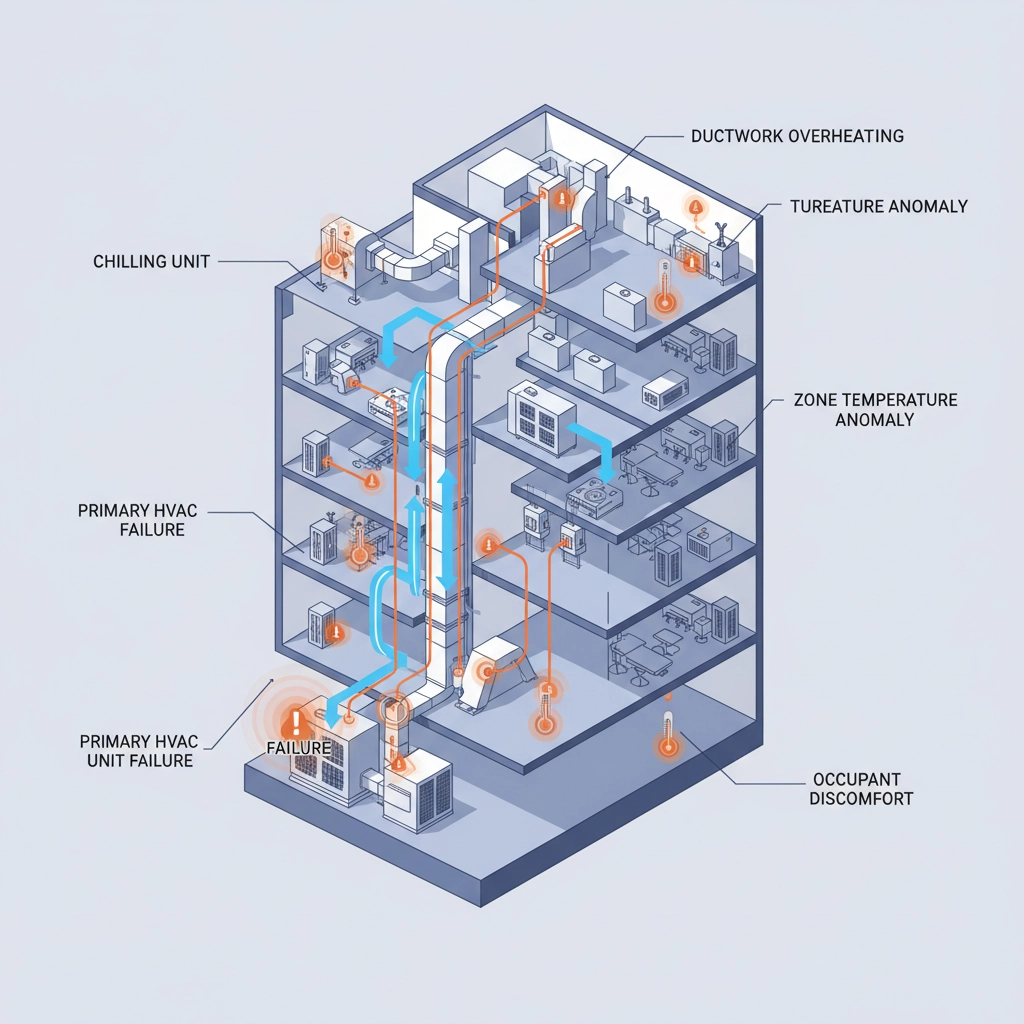
A malfunctioning HVAC system works significantly harder to maintain comfortable temperatures, dramatically increasing energy consumption. During peak seasons, this inefficiency can add hundreds or thousands to your utility bills while the system struggles to perform. The longer you wait, the more money literally goes out the window.
Property Damage Beyond the HVAC System
Failed heating systems can lead to frozen pipes, water damage, and structural issues. Malfunctioning cooling systems can create excessive humidity leading to mold growth or damage to sensitive equipment and inventory. These secondary damages often exceed the original repair costs and create liability issues with tenants or customers.
Tenant Relations and Revenue Loss
Uncomfortable building conditions lead to tenant complaints, potential lease breaks, and difficulty attracting new occupants. For retail or office spaces, uncomfortable conditions directly impact customer experience and employee productivity, potentially affecting your bottom line far beyond the repair costs.
Smart Strategies to Cut Emergency Costs
The most effective approach to managing emergency HVAC costs is preventing emergencies from happening in the first place. Here's how successful property managers minimize these expensive situations.
Invest in Preventive Maintenance
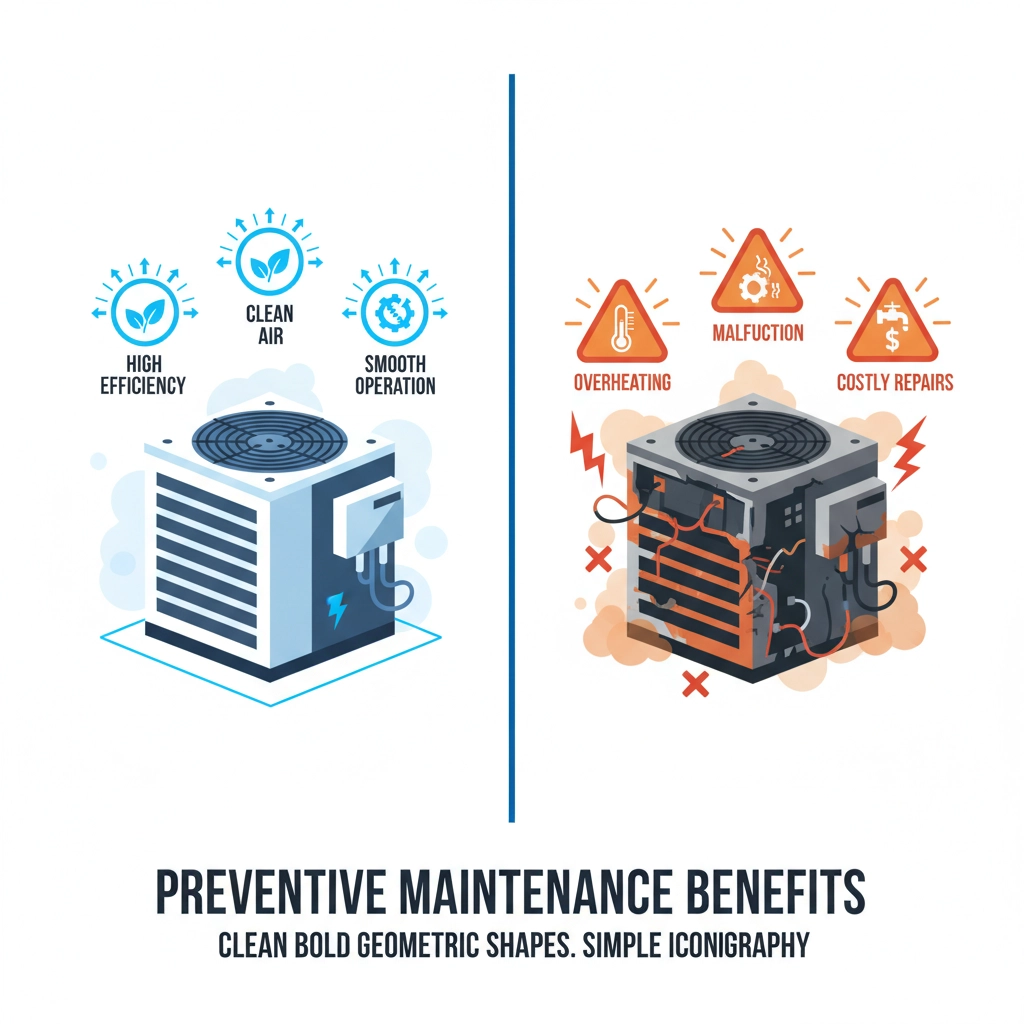
Regular maintenance identifies small issues before they become major problems. A comprehensive maintenance program includes filter changes, system inspections, cleaning, and minor adjustments that keep your system running efficiently. South Jersey Heating and Cooling offers commercial maintenance agreements that provide scheduled service and priority response to prevent emergency situations.
Studies show that every dollar spent on preventive maintenance saves $3-5 in avoided emergency repairs. More importantly, well-maintained systems last significantly longer and operate more efficiently, reducing both emergency risks and operating costs.
Address Warning Signs Immediately
Don't ignore unusual noises, inconsistent temperatures, or higher-than-normal energy bills. These early warning signs indicate developing problems that can be addressed during regular business hours at standard rates. Common warning signs include:
- Strange sounds like grinding, squealing, or rattling
- Uneven heating or cooling across different areas
- Frequent cycling on and off
- Unusual odors from vents
- Sudden increases in energy bills
- Poor air quality or humidity issues
Choose the Right Service Partner
Not all HVAC companies handle emergencies the same way. Look for providers who:
- Offer transparent pricing for emergency services
- Provide upfront estimates before starting work
- Have 24/7 availability with actual technicians, not just answering services
- Maintain local parts inventory to reduce sourcing delays
- Offer service agreements that include priority response
South Jersey Heating and Cooling provides 24/7 emergency service throughout the region, and our service agreement members receive priority scheduling without emergency surcharges.
Plan for Seasonal Demand
Schedule maintenance before peak heating and cooling seasons when emergency calls spike and availability becomes limited. Spring and fall maintenance visits catch problems before summer cooling demands or winter heating loads stress your system.
Consider System Age and Replacement Planning
If your HVAC system is approaching 15-20 years old, start planning for replacement rather than continuing to invest in expensive emergency repairs. Newer systems are more reliable, more efficient, and covered by comprehensive warranties that reduce emergency repair risks.
When to Call for Emergency Service
Understanding when you truly need emergency service versus when repairs can wait helps you make cost-effective decisions during stressful situations.
Immediate Emergency Situations:
- Complete system failure during extreme weather
- Gas leaks or carbon monoxide detection
- Electrical issues or sparking components
- Water leaks causing property damage
- Situations affecting tenant safety or comfort
Can Likely Wait for Business Hours:
- Mild temperature variations
- Single zone issues in multi-zone systems
- Minor noise concerns
- Non-critical control problems
When you do need emergency service, having a relationship with a trusted provider like South Jersey Heating and Cooling ensures faster response times and fair pricing. Call us at 609-488-2253 for immediate assistance or to discuss preventive maintenance programs that reduce emergency risks.
The bottom line is clear: while emergency HVAC repairs are expensive, the combination of preventive maintenance, prompt attention to warning signs, and working with experienced professionals significantly reduces both the likelihood and cost of emergency situations. Investing in prevention today saves substantial money and stress tomorrow.
Ready to reduce your emergency repair risks? Contact South Jersey Heating and Cooling to discuss a maintenance program tailored to your commercial property's needs.