

7 Mistakes You're Making with Your Commercial HVAC Budget (And How to Fix Them Before Refrigerant Prices Spike)

If you manage a commercial building in South Jersey, you already know that HVAC costs can make or break your operating budget. Between rising energy prices, tightening refrigerant regulations, and the constant threat of unexpected breakdowns, it's easy to feel like you're always playing catch-up.
Here's the thing: most budget headaches aren't caused by bad luck. They're caused by avoidable mistakes that compound over time. And with refrigerant prices set to spike due to new environmental regulations phasing out high-GWP (Global Warming Potential) refrigerants, the cost of these mistakes is only going up.
At South Jersey Heating and Cooling, we've helped countless commercial property owners and facility managers get their HVAC budgets under control. Below, we're breaking down the seven most common budgeting mistakes we see: and exactly how to fix them before they drain your bottom line.
Mistake #1: Waiting Until Systems Fail Instead of Planning Proactively
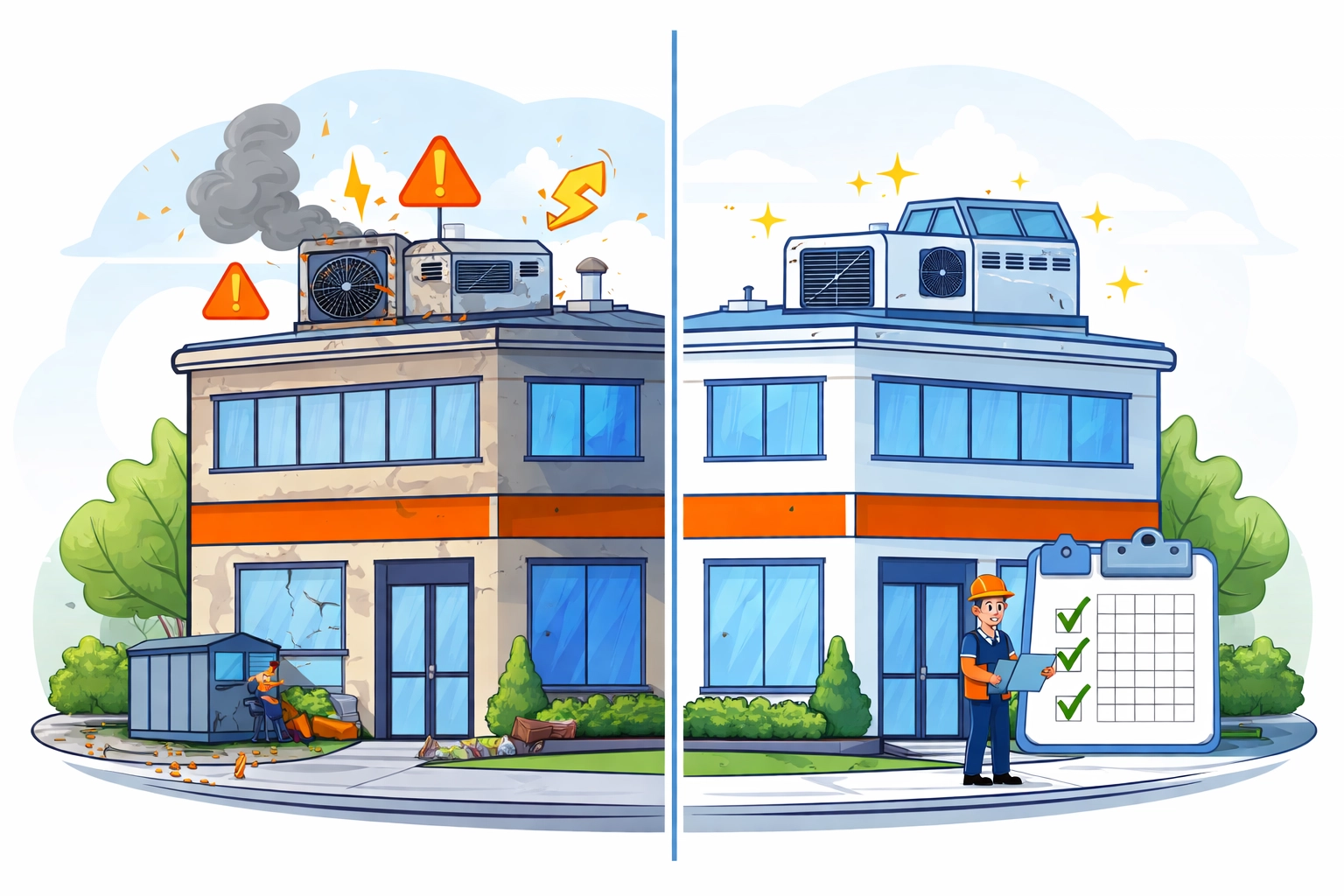
This is the most expensive mistake on the list, and it's surprisingly common. Many building owners operate under a "run it until it breaks" philosophy. The problem? When your HVAC system finally gives out, you're stuck making rushed decisions, paying premium prices for emergency service, and dealing with unhappy tenants or employees in the meantime.
How to fix it:
- Schedule regular system assessments and energy audits to benchmark your current performance.
- Work with your HVAC contractor to establish a multi-year replacement schedule. This spreads costs predictably and lets you plan installations during slower business periods.
- Set aside funds each year specifically for HVAC capital improvements: even if you don't use them immediately.
Proactive planning isn't just about avoiding emergencies. It's about giving yourself options.
Mistake #2: Focusing Only on Upfront Price Instead of Total Cost of Ownership
When it's time to replace or upgrade equipment, it's tempting to choose the cheapest option. But the purchase price is just one piece of the puzzle. Energy consumption, maintenance requirements, expected lifespan, and potential downtime all factor into what a system actually costs you over time.
How to fix it:
- Ask your contractor to break down the total cost of ownership for each option, including projected energy savings and maintenance costs.
- Factor in available rebates, tax incentives, and financing programs: these can significantly offset higher upfront costs for more efficient equipment.
- Use net present value (NPV) calculations to compare options over a 10- to 15-year horizon.
A slightly higher initial investment often pays for itself many times over in reduced operating costs.
Mistake #3: Skipping Commissioning, Controls, and Building Automation Integration
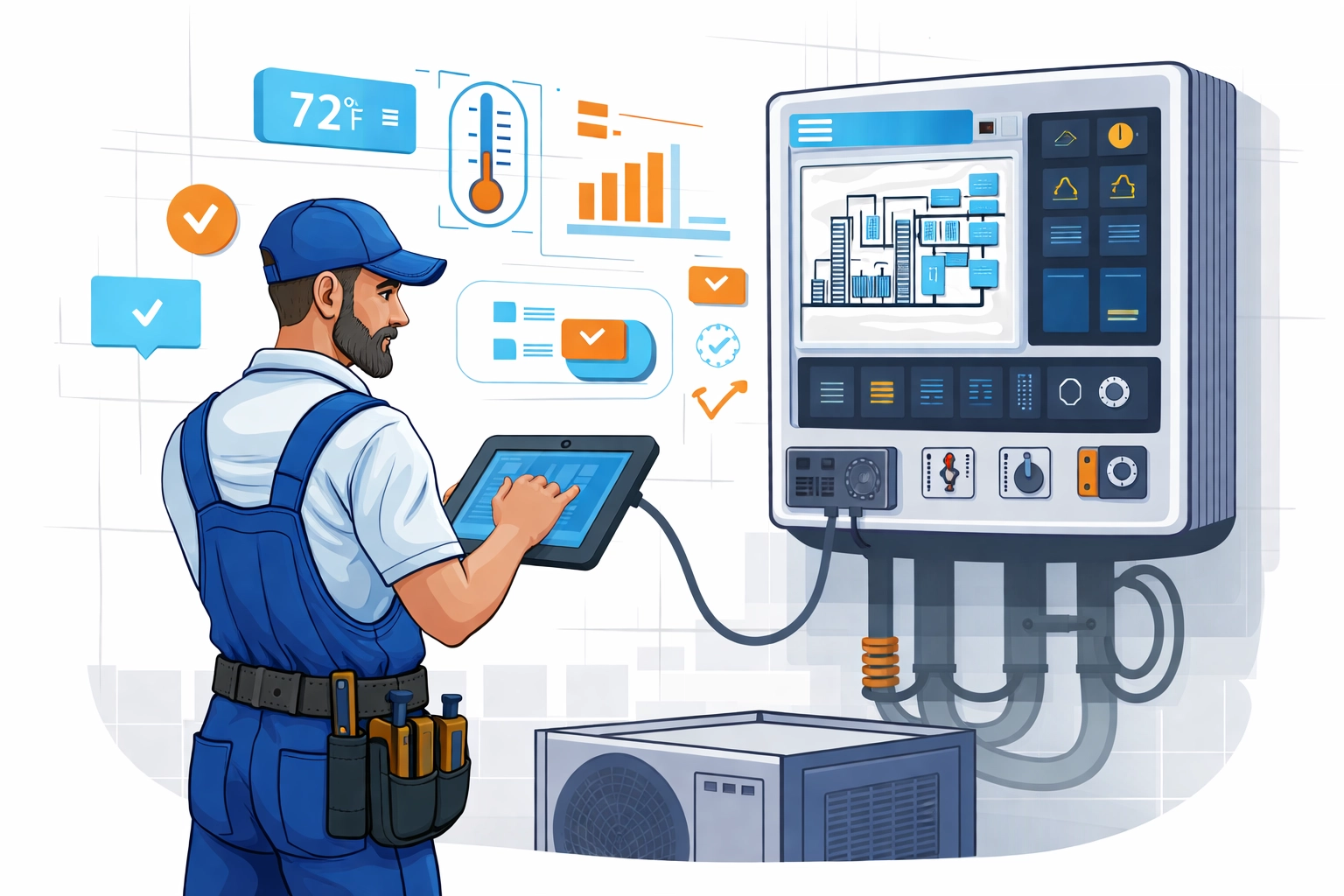
You can install the most efficient HVAC system on the market, but if it's not properly commissioned and integrated with your building automation system (BAS), you won't see the performance you're paying for. Commissioning is the process of verifying that all systems operate as designed: and it's often treated as an optional add-on instead of a critical project phase.
How to fix it:
- Budget for full commissioning and BAS integration as mandatory components of any HVAC project.
- Work with a contractor who understands commercial HVAC controls and can ensure your systems are calibrated correctly from day one.
- Schedule follow-up commissioning checks after the first heating and cooling seasons to catch any issues early.
Skipping this step is like buying a high-performance car and never tuning it up. You're leaving money on the table.
Mistake #4: Not Accounting for Refrigerant Compliance Costs
Here's where things get urgent. Federal and state regulations are phasing out older refrigerants like R-22 and moving toward low-GWP alternatives. If your systems still rely on these older refrigerants, you're facing a double hit: rising prices for the refrigerants themselves and the capital costs of transitioning to compliant equipment.
How to fix it:
- Audit your current systems to determine which refrigerants they use and when they'll need to be replaced or retrofitted.
- Plan for refrigerant compliance early. Determine whether retrofitting existing equipment or replacing units entirely is more cost-effective for your situation.
- Explore government incentives and rebates specifically designed to support low-GWP technology adoption: these programs can significantly reduce your out-of-pocket costs.
The longer you wait, the more expensive this transition becomes. Don't let refrigerant regulations catch you off guard.
Mistake #5: Engaging Contractors and Stakeholders Too Late
HVAC projects involve a lot of moving parts: equipment selection, rebate applications, scheduling, compliance requirements, and coordination with building operations. When you start the process too late, you miss rebate windows, skip thorough assessments, and end up with rushed, suboptimal solutions.
How to fix it:
- Begin planning months in advance, especially for larger projects.
- Involve all stakeholders early: property managers, facility teams, contractors, and compliance specialists.
- Engage your HVAC contractor at the planning stage: not just when you're ready to sign a contract. Early involvement helps identify available incentives and establish a clear project scope.
At South Jersey Heating and Cooling, we encourage clients to reach out as soon as they start thinking about upgrades. A quick conversation now can save you thousands later. Give us a call at 609-488-2253 to get started.

Mistake #6: Underbudgeting for Labor, Installation, and Downtime
Commercial HVAC installation isn't like residential work. Skilled labor costs more, installation timeframes are longer, and operational disruptions can have real financial consequences. Many organizations underestimate these factors and end up scrambling to cover unexpected expenses.
How to fix it:
- Request detailed, itemized estimates that break down equipment, labor, and downtime costs separately.
- Set aside a contingency fund of 10–15% of your total budget for unexpected complications.
- Plan installation timing strategically. Scheduling during evenings or weekends minimizes disruption to your operations, though it may increase labor costs.
Understanding the full scope of installation costs upfront prevents unpleasant surprises down the road.
Mistake #7: Oversizing Systems or Choosing Equipment Based on a Single Metric
Bigger isn't always better. Oversized HVAC systems cycle on and off more frequently, waste energy, and wear out faster. Similarly, choosing equipment based solely on SEER (Seasonal Energy Efficiency Ratio) ratings without considering your building's actual needs leads to inefficiency and wasted spending.
How to fix it:
- Before comparing equipment, clearly define your specific goals: comfort and humidity targets, indoor air quality requirements, noise limits, energy cost savings, code compliance, and budget constraints.
- Have a specialist perform load calculations to right-size your system for your building's actual requirements.
- Consider factors beyond efficiency ratings, like control capabilities, maintenance requirements, and compatibility with your existing infrastructure.
Right-sizing your system is one of the most important decisions you'll make. It affects everything from energy bills to tenant comfort.
Take Control of Your HVAC Budget Before Costs Spike
These seven mistakes are common, but they're also fixable. The key is taking action now: before refrigerant prices spike, before your aging equipment fails, and before small inefficiencies compound into major budget problems.
At South Jersey Heating and Cooling, we specialize in helping commercial property owners and facility managers make smart, cost-effective HVAC decisions. Whether you need a preventative maintenance agreement, a full system assessment, or guidance on refrigerant compliance, we're here to help.
Ready to get your HVAC budget under control? Request service online or call us directly at 609-488-2253. Let's make sure your building stays comfortable: and your budget stays on track.